Please note: R3 Retreats programs are wellness and educational experiences. They are not medical treatments, psychotherapy, or clinical interventions. If you are managing a significant health condition, please consult your healthcare provider before participating.
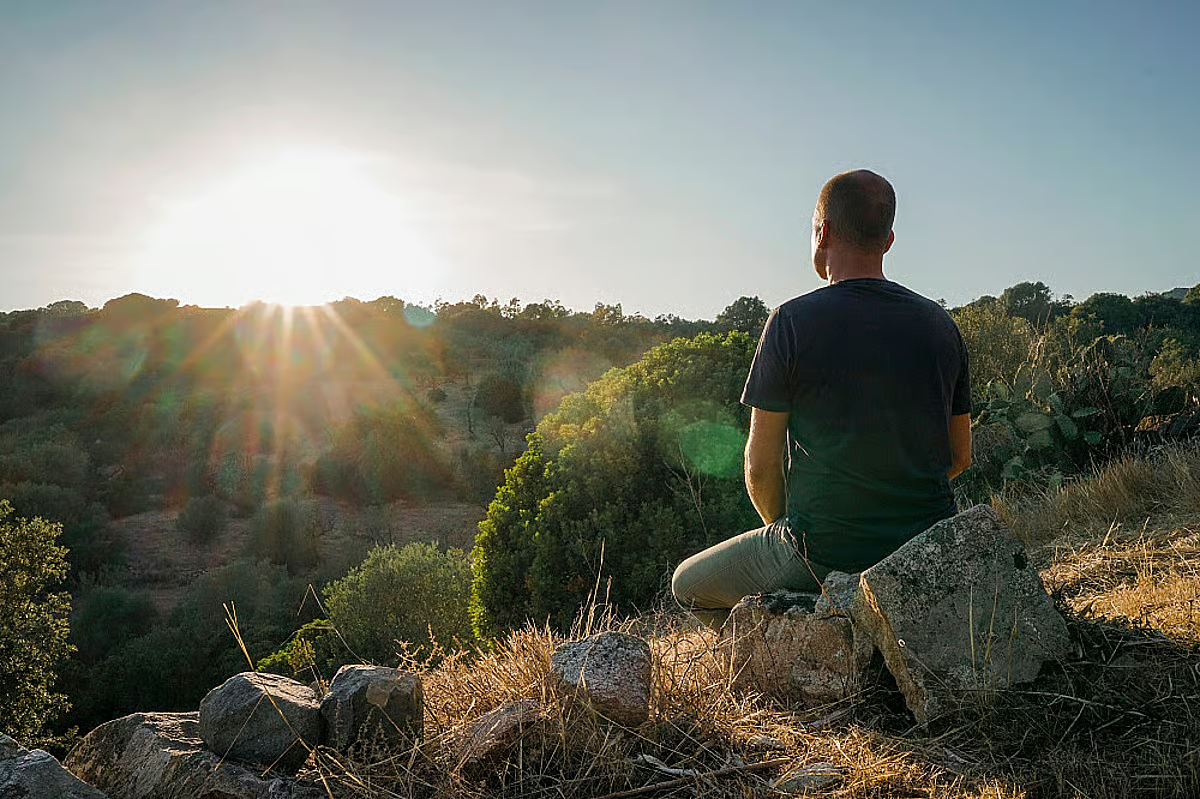
Mindfulness Retreats
Mindfulness retreat programs at R3 follow a consistent daily structure that includes morning and evening facilitated sessions, extended periods of personal time, and optional guided practices — including seated observation, gentle movement, and awareness-based activities.
The sessions are educational in nature. Facilitators introduce concepts and practices drawn from well-documented mindfulness traditions, but without religious framing or outcome claims.
This program may suit you if:
- You want to develop a more consistent awareness practice
- You find your mind very busy and want structured time to observe that
- You've tried mindfulness apps or courses and want a deeper, slower experience
- You're comfortable with periods of silence
This program may not suit you if:
- You are in active crisis or acute distress
- You are seeking therapy or psychological treatment
- You are uncomfortable with minimal daily structure

Nature Immersion Programs
Nature immersion programs involve extended time outdoors — guided walks through natural environments, periods of open observation, and activities designed to slow the pace and shift attention toward immediate surroundings. Programs take place in the foothills and forested areas near the retreat property.
These are not survival programs or extreme outdoor experiences. The focus is on a slower, more deliberate relationship with natural settings — accessible to people of varying fitness levels who are physically able to walk on uneven ground for up to two hours at a time.
This program may suit you if:
- You find time outdoors genuinely restorative
- You want a more active retreat experience than a seated program offers
- You are comfortable with variable weather and outdoor conditions
- You prefer less formal structure and more open-air time
What the environment involves:
- Mixed forest and meadow terrain in central Alberta
- Weather varies — participants should bring layered clothing
- Trail walking of low to moderate difficulty
- Some activities involve extended outdoor sitting
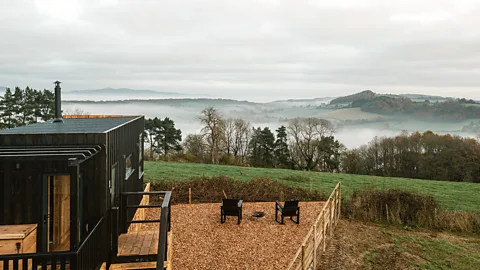
Corporate Wellness Retreats
Corporate programs are designed for workplace teams looking for an off-site experience that is genuinely different from standard professional development events. They involve facilitated dialogue, structured reflection, and time away from work context — not lectures, motivational content, or productivity workshops.
These programs are most useful for teams that want to step out of their regular environment and have conversations that the normal workplace context doesn't easily support. They are not designed to produce specific business outcomes, and facilitators do not frame sessions in those terms.
Common use cases:
- Team offsites for reflective conversation rather than planning
- Leadership groups wanting time away from daily operations
- Organizations dealing with high ongoing stress and wanting structured rest
Format options:
- Residential (overnight, 2–4 days) — full immersion
- Day format — arrive in morning, depart evening
- Custom structure available for groups over 15

Digital Detox Experiences
Digital detox programs ask participants to voluntarily store their personal devices for the duration of the program. This isn't enforced, but the shared agreement among participants is a significant part of the experience. Facilitators do not use devices in common spaces during program hours.
Activities focus on offline engagement: handwriting, reading physical books, extended conversations, outdoor time, and craft-based or observational practices. The program does not use screen-based content in any sessions.
This program may suit you if:
- You notice your screen use affecting your focus or sleep
- You want to try an extended period without devices in a supported setting
- You find it difficult to be away from your phone and want to examine that
What to expect:
- No smartphones, tablets, or laptops in shared spaces
- Phones can be accessed in private rooms for genuine emergencies
- Activities are analogue and varied — not just silence
- The first 24–36 hours can feel uncomfortable for many participants — this is noted in pre-program information