
Mindfulness and Rest in Modern Life
What mindfulness actually means in daily context — and why rest is more complicated than sleep.
Read article →R3 Retreats offers structured programs for adults who want to step back from daily pace — not to escape it, but to understand it better.
Each program at R3 Retreats has a different focus. These categories help you understand what each experience generally involves — not promises of what it will do.

These programs are designed for people who need a period of genuine rest — not activity-filled wellness experiences, but intentional, low-demand time. Days are lightly structured, with optional group sessions and significant periods of personal space.
Suitable for: adults experiencing burnout, those returning from demanding periods, or anyone who simply has not slept or rested adequately for an extended time.
See Program Details
Nature programs involve time outdoors, guided walks, and periods of observation in natural environments. They are suitable for people who find movement and open space more restorative than stillness, and who want structured outdoor time as part of a retreat experience.
Appropriate for: adults of varied fitness levels who are comfortable walking on uneven terrain and spending extended time outside.
See Program Details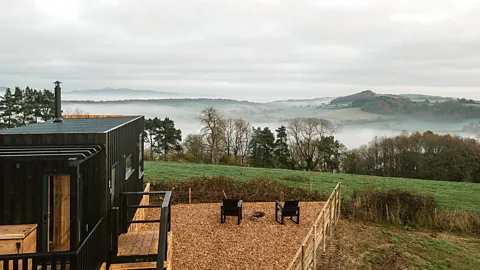
Digital detox programs ask participants to leave personal devices in a secure storage area for the program's duration. Activities focus on offline engagement — handwriting, conversation, reading physical books, and time in nature. This is not a rule-based punishment approach, but a supported transition into offline habits.
Best for: people who have noticed that their relationship with screens is affecting their focus, sleep, or sense of presence, and who want to examine that in a structured setting.
See Program Details
Group programs bring 6–12 participants together around facilitated dialogue sessions, shared meals, and collaborative activities. They are not therapy groups, and facilitators are not therapists — these are conversation-based experiences designed to encourage reflection and exchange.
For: adults who are comfortable with group settings and who want the experience of a shared retreat rather than a solitary one.
See Program DetailsPrograms vary, but this represents a general structure for a mid-week day on a standard 5-day retreat. Actual schedules are shared with participants ahead of arrival.
An unguided 30-minute walk on the grounds is available before breakfast. Participation is entirely optional — this time is personal.
A simple, shared breakfast prepared on-site. Dietary needs are accommodated. Conversation is welcome but not expected.
A 90-minute facilitated session focused on that day's theme — could be a mindfulness practice, a nature walk with observation prompts, or a group dialogue. Facilitated by a program lead.
Two hours of personal time with no scheduled activity. Reading, journalling, walking, or resting — as preferred.
Shared lunch, followed by a two-hour rest period. No programming. Quiet areas are available throughout the property.
A shorter, optional afternoon activity — varies by program type. On nature programs this might be a longer walk. On quieter retreats, this is an open period.
A shared dinner. Some evenings include an optional post-dinner gathering — a reading, a brief discussion, or time around the fire pit.
The property moves into quiet time. Outdoor spaces remain available. This structure supports consistent sleep and genuine rest over the program period.
This short questionnaire helps suggest a retreat type that might be relevant to where you are right now. It is informational only — not a psychological assessment.
These are accounts from former participants. Individual experiences vary. We don't edit or curate these to present outcomes — they reflect the range of what people noticed.
What mindfulness actually means in daily context — and why rest is more complicated than sleep.
Read article →
What actually happens on a retreat, and why expectations about it often don't match reality.
Read article →
A structured look at what disconnecting from devices actually involves, and who it tends to help.
Read article →R3 Retreats was built on a simple observation: most people don't lack productivity advice or wellness techniques. What many lack is time and space to be still enough to notice what's already there.
We don't sell insight or transformation. We offer structured time, a calm environment, and facilitators who know how to get out of the way. What happens in that space is up to you.
About R3 RetreatsR3 Retreats programs are not therapeutic interventions and are not a replacement for mental health treatment. We ask all applicants about relevant health information during the intake process. If we feel a program is not appropriate for someone's current circumstances, we will communicate that clearly and won't process an enrolment. If you are currently under the care of a mental health professional, we recommend discussing participation with them first.
Most programs run with 6 to 12 participants. Smaller group sizes are available for private bookings. Corporate programs can accommodate up to 20 people depending on the program structure.
No. Most of our programs assume no prior experience. We don't use technical frameworks or expect participants to have existing practices. The emphasis is on direct experience rather than formal instruction.
Full details are in our Refund Policy. In general: cancellations made 30 or more days before a program receive a full refund. Cancellations between 14 and 29 days receive a 50% refund. Cancellations within 14 days are generally non-refundable unless due to documented medical emergencies. We review each case individually.
Yes. For residential programs, accommodation and all meals are included in the program fee. Day programs and weekend programs that don't include overnight stays are priced accordingly. Full details are confirmed at the time of enquiry.
Yes. We ask about dietary needs during the intake process and work with our food coordinator to accommodate vegetarian, vegan, gluten-free, and common allergy requirements. Please disclose dietary needs at least two weeks before your program start date.
We're happy to answer questions, describe what specific programs involve in more detail, or help you figure out whether a retreat is the right fit for where you are right now.
Get in Touch